Enhance Your Brand: The Power of Professional Photography in Business Growth
In the current competitive landscape, the significance of professional photography cannot be overstated. Businesses that commit to high-quality imagery tend to experience stronger brand recognition and increased consumer trust. Visual narratives serve a critical function in establishing genuine connections with target audiences. Nevertheless, not all visuals are designed to achieve the same goal. Understanding how to choose the right photographer and utilize visuals effectively can make a substantial difference. What strategies can brands employ to maximize the impact of their imagery?
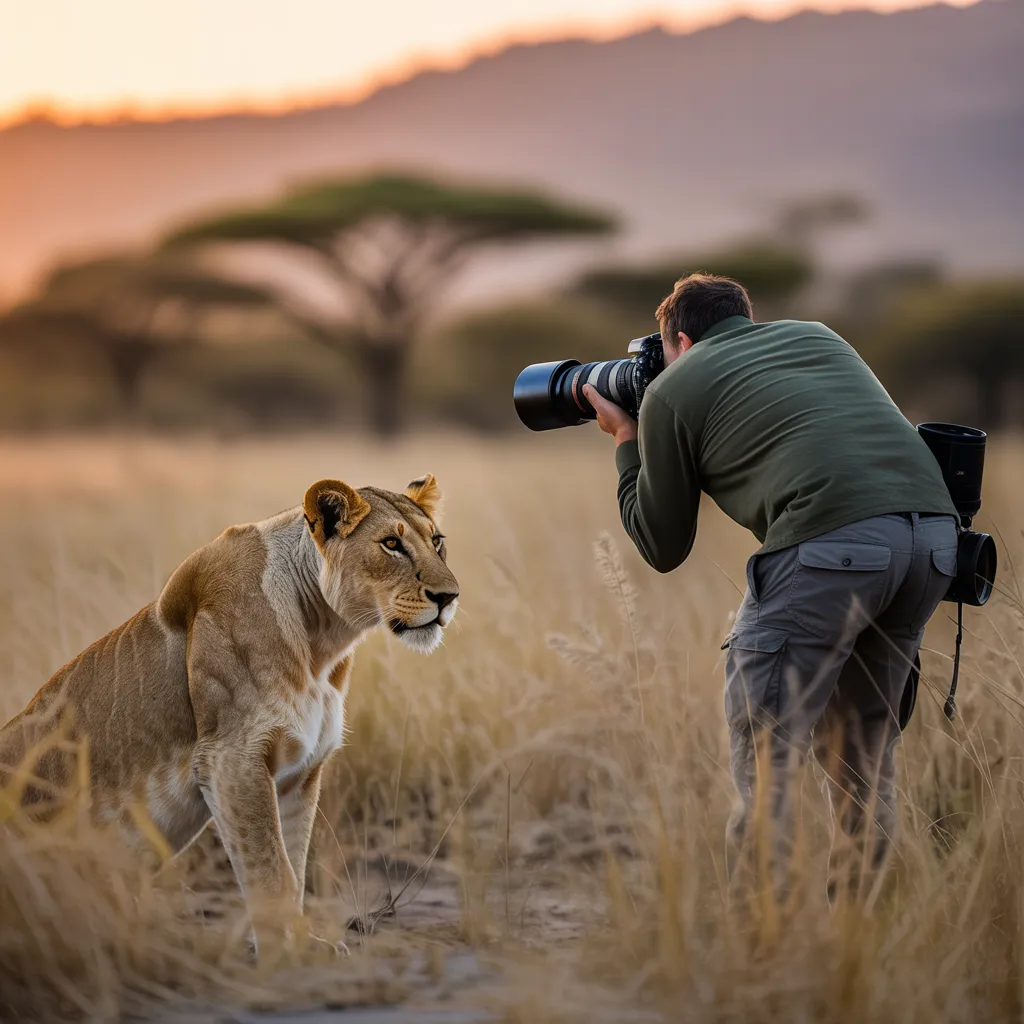
The Importance of Professional Photography You Need to Know
What makes professional photography a worthwhile investment for businesses? The answer lies in the power of first impressions. Superior images can powerfully strengthen a brand's identity, demonstrating expertise and a commitment to quality. In a visually driven marketplace, potential customers often judge a business based on its visual content. Expert photography presents products and services in the most favorable way, capturing and maintaining the curiosity of prospective buyers.
Additionally, consistent and polished visuals aid in building brand awareness and recognition. Being authentic is crucial; expertly crafted visuals can create a relatable narrative that appeals to a wide audience. This investment can lead to greater audience engagement across diverse digital channels, from online platforms to social media networks.
In the end, organizations that commit to expert photography establish themselves as leaders in their industry, fostering trust and credibility. In a world where visual content reigns supreme, the need for high-quality visuals is not just valuable—it's essential for sustained success.
The Impact of Visual Storytelling on Brand Engagement
In today's fast-paced business world, visual narratives have risen as a compelling strategy for audience engagement. By weaving narratives through images, companies can forge meaningful bonds with their viewers, rendering their content more impactful and lasting. This strategy goes beyond conventional marketing methods, enabling businesses to express their core values, purpose, and character through striking imagery.
Compelling visual narratives grabs attention and encourages meaningful engagement, motivating customers to commit to the brand. It allows companies to present their offerings in real-world scenarios, showing how they add value to everyday experiences. Via strategically chosen images, businesses can showcase their key differentiators and distinguish themselves within their industry.
Furthermore, visual content amplifies social media engagement, as distributable content boosts exposure and stimulates audience engagement. Through incorporating premium visuals that connect with intended audiences, brands can cultivate loyalty and drive engagement, thereby supporting sustained business growth.
How Superior Images Strengthen Consumer Trust
Premium-quality visuals serve as a cornerstone for establishing consumer trust in today's online marketplace. They deliver a pictorial depiction of a brand's character, communicating expertise and precision. When consumers are presented with sharp, carefully crafted images, they are prone to view the brand as trustworthy and dependable. This perception is vital, especially in an environment overwhelmed by competition and misinformation.
Additionally, top-tier images greatly enhance the broader user experience, transforming websites and social media channels into more compelling destinations. They empower prospective buyers to visualize products or services, cultivating a sense of familiarity and ease. As customers continue to lean on visual cues to drive their purchasing decisions, companies that invest in professional imagery set themselves apart from the competition.
In the end, the influence of professional-grade images transcends simple visual elements; they establish a firm foundation for trust, promoting customer loyalty and fueling business achievement.
Tips for Choosing the Ideal Photographer
Picking the best photographer is vital for aligning visual content with a brand's identity. It involves carefully defining the company vision, evaluating the quality of the photographer's portfolio, and considering budget options. By focusing on these key factors, businesses can make informed decisions that strengthen their visual identity.
Clarify Your Brand Vision
A precise brand identity serves as the cornerstone for identifying the most suitable photographer. Companies must first define their goals, values, and target audience, as this understanding guides the visual approach needed to successfully convey their vision. Determining whether the brand gravitates toward a contemporary, minimalist style or a lively, engaging aesthetic is vital. Additionally, establishing clear objectives—such as strengthening online impact or creating impactful marketing materials—will guide the decision on a photographer whose skill set aligns with these goals. By understanding the target emotional reaction from the viewers, companies can confirm they identify a photographer who can capture the essence of their brand. This strategic alignment significantly strengthens the overall effectiveness of the photographic narrative.
Review Portfolio Quality
When reviewing photographers, the standard of their portfolio serves as a crucial indicator of their skills. A comprehensive portfolio showcases a variety of styles and subjects, allowing interested clients to assess the photographer's technical skills and versatility. It is important to look for consistency in lighting, composition, and image quality, as these aspects reflect the photographer's dedication to detail. Moreover, reviewing past work relevant to the specific industry can provide insight into how well the photographer understands branding and marketing needs. Testimonials or case studies accompanying the portfolio may also boost credibility. In conclusion, a carefully curated portfolio not only demonstrates artistic vision but also confirms the photographer's ability to achieve results that align with a business's objectives.
Explore Budget-Friendly Options
Assessing portfolio quality establishes the groundwork for finding the most suitable photographer, but cost factors are equally important in the evaluation process. Companies should define a well-defined budget that supports their business objectives. This budget should cover not only the photography fees but also other potential costs, such as editing, travel, and licensing fees. Evaluating several photographers allows businesses to find a balance between quality and affordability. It is crucial to outline needs and expectations from the start to prevent unforeseen costs. Moreover, some photographers may offer package deals or discounts for bigger assignments, creating more opportunities for financially mindful organizations. Ultimately, thorough budget management can lead to a productive partnership that strengthens brand identity without overspending.
Utilizing Images Efficiently Across Platforms
Leveraging the power of images can substantially boost a business's standing across various platforms. Effective image use requires an understanding of the specific characteristics of each platform. For one thing, bold, attention-grabbing read here visuals work well on social media, attracting user interaction and distribution. In contrast, polished, refined images are vital for websites and e-commerce platforms, where they establish trust and credibility.
In addition, visual style consistency—image quality, color schemes, and fonts—solidifies brand identity. Adjusting images for particular formats, like square crops for Instagram and landscape orientations for Facebook, secures an ideal display and user experience. Furthermore, including images within email marketing can greatly increase open and click-through rates.
Case Studies: Insights From Leading Brands
Established brands highlight the significant difference of professional photography on commercial performance. For instance, a well-known beauty company redesigned its marketing strategy by leveraging professional images that highlighted its product line in authentic environments. This transition led to a 30% growth in e-commerce sales across a six-month timeframe, demonstrating the power of engaging visual content.
Similarly, a high-end hotel brand utilized professional photo services to feature its distinctive amenities and spectacular views. The stunning visuals not only improved their website but also increased social media interactions, generating a 50% increase in direct bookings.
An additional case features a fashion business that embraced a unified brand aesthetic through high-quality photo productions. This method not only enhanced its brand perception but also fostered a loyal customer base, evidenced by a 40% rise in customer retention rates. These success stories demonstrate how the deliberate application of high-quality imagery can considerably improve brand recognition and fuel commercial growth.
Commonly Asked Questions
What Is the Typical Budget for Professional Photography Services?
Planning a budget for professional photography usually spans from $500 to $5,000, influenced by elements including project complexity, the photographer's experience level, and usage rights. Organizations should examine their specific needs to identify an appropriate budget that falls within this range.
Should I Use Stock Photos Instead of Hiring a Professional Photographer?
Employing stock photography may serve as a budget-friendly option to bringing in a professional, but they may fall short on originality and individuality. Businesses should weigh the value of authentic visuals against financial limitations when selecting imagery choices.
How Often Should I Update My Brand Images?
Companies should update their images every 1-2 years to reflect current trends and preserve their relevance. Regular refreshes ensure the brand aesthetic up to date, engaging audiences and building lasting brand loyalty through consistent, high-quality imagery.
Which Types of Photography Work Best for My Industry?
Lifestyle, product, and event photography serve as fundamental across most industries. Organizations should concentrate on high-quality images that appeal to their target audience, presenting genuine quality and professionalism to improve brand recognition and audience engagement successfully.
How Do I Measure the Effect of Photography on My Brand?
To assess visual photography's influence on a brand, marketers can review performance metrics, monitor sales conversions, obtain customer feedback, and measure brand recognition via surveys, ultimately evaluating how visual content influences overall brand performance.